
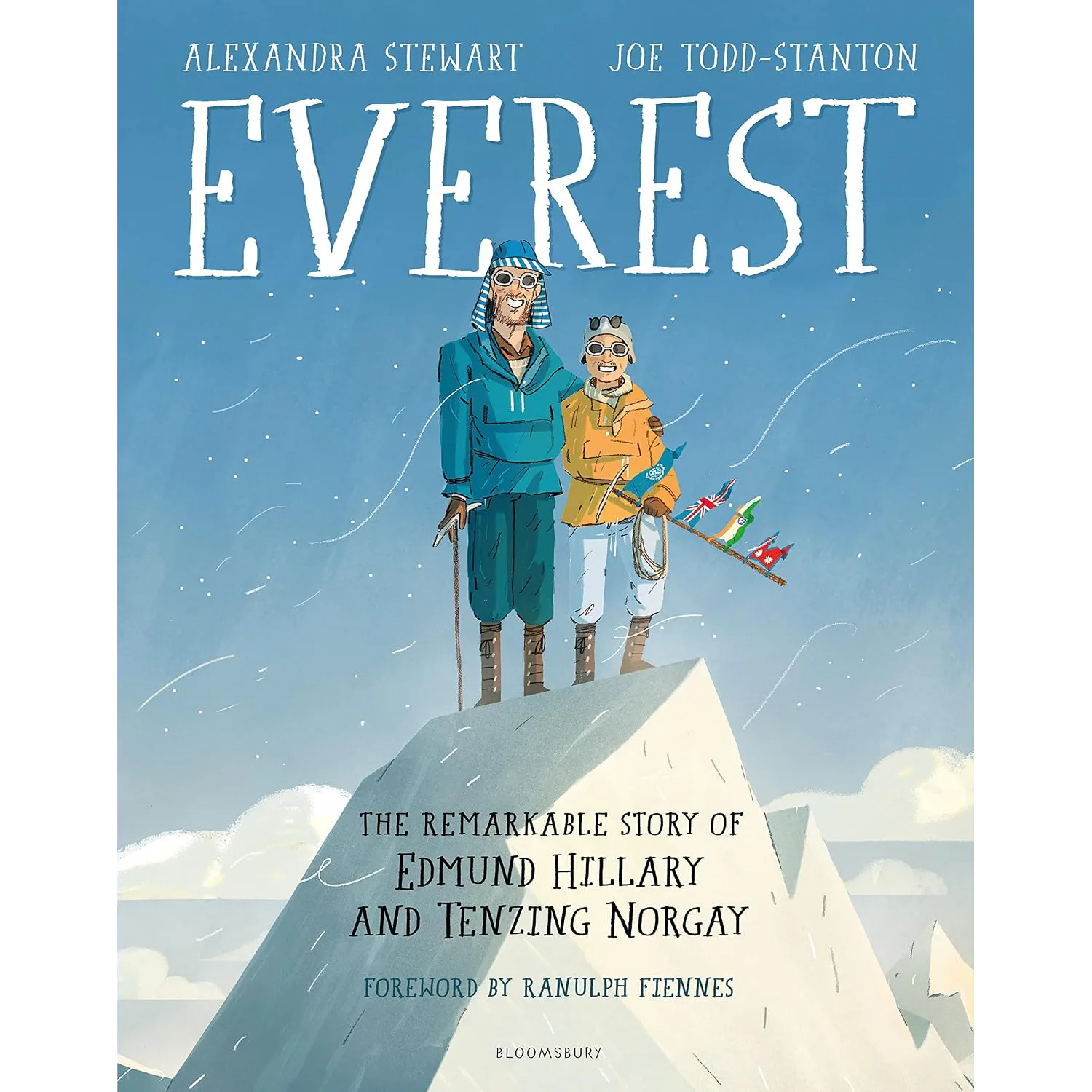
Everest
£ 8.99
Learning Outcome:
Write a short threatening narrative in role as one of the dangers/hazards, to climbers.
Write the headline news article to report that Hillary and Tenzing had reached the summit.
Everest
by Alexandra Stewart
- Instant digital downloads
- Complete lesson plans & resources
- Suggested adaptations to support all learners
- Mapped to UK National Curriculum
 Learning Outcomes
Write a short threatening narrative in role as one of the dangers/hazards, to climbers.
Write the headline news article to report that Hillary and Tenzing had reached the summit.
Curriculum Objectives- Retrieve, record and present information from non-fiction.
- Check that the book makes sense to them, discuss their understanding and explore the meaning of words in context.
- Summarise the main ideas drawn from more than one paragraph, identify key details that support the main ideas.
- In writing narratives, consider how authors have developed characters and settings in what pupils have read, listened to or seen performed.
- Identify the audience for and purpose of the writing, select the appropriate form and use other similar writing as models for their own.
- Draft and write by selecting appropriate grammar and vocabulary, understand how such choices can change and enhance meaning.
- Note and develop initial ideas, drawing on reading and research where necessary.
- Use further organisational and presentational devices to structure text and to guide the reader (for example, headings, bullet points, underlining).
- Proof-read for spelling and punctuation errors.
£8.99

The Endless Sea
£ 8.99
Learning Outcome:
Write a poem with quatrains and a memoir recounting the family’s escape from conflict.
The Endless Sea
by Chi Thai
- Instant digital downloads
- Complete lesson plans & resources
- Suggested adaptations to support all learners
- Mapped to UK National Curriculum
Learning OutcomesWrite a poem with quatrains and a memoir recounting the family’s escape from conflict.
Curriculum Objectives- Predict what might happen from details stated and implied.
- Identify and discuss themes and conventions in and across a wide range of writing.
- Draft and write by selecting appropriate grammar and vocabulary, understanding how such choices can change and enhance meaning.
- Prepare poems and plays to read aloud and to perform, showing understanding through intonation, tone and volume so that the meaning is clear to an audience.
- Discuss and evaluate how authors use language, including figurative language, considering the impact on the reader.
- Use further organisational and presentational devices to structure text and to guide the reader.
- Plan their writing by identifying the audience for and purpose of the writing, selecting the appropriate form and using other similar writing as models for their own.
- Plan their writing by noting and developing initial ideas, drawing on reading and research where necessary.
- Proof-read for spelling and punctuation errors.
£8.99
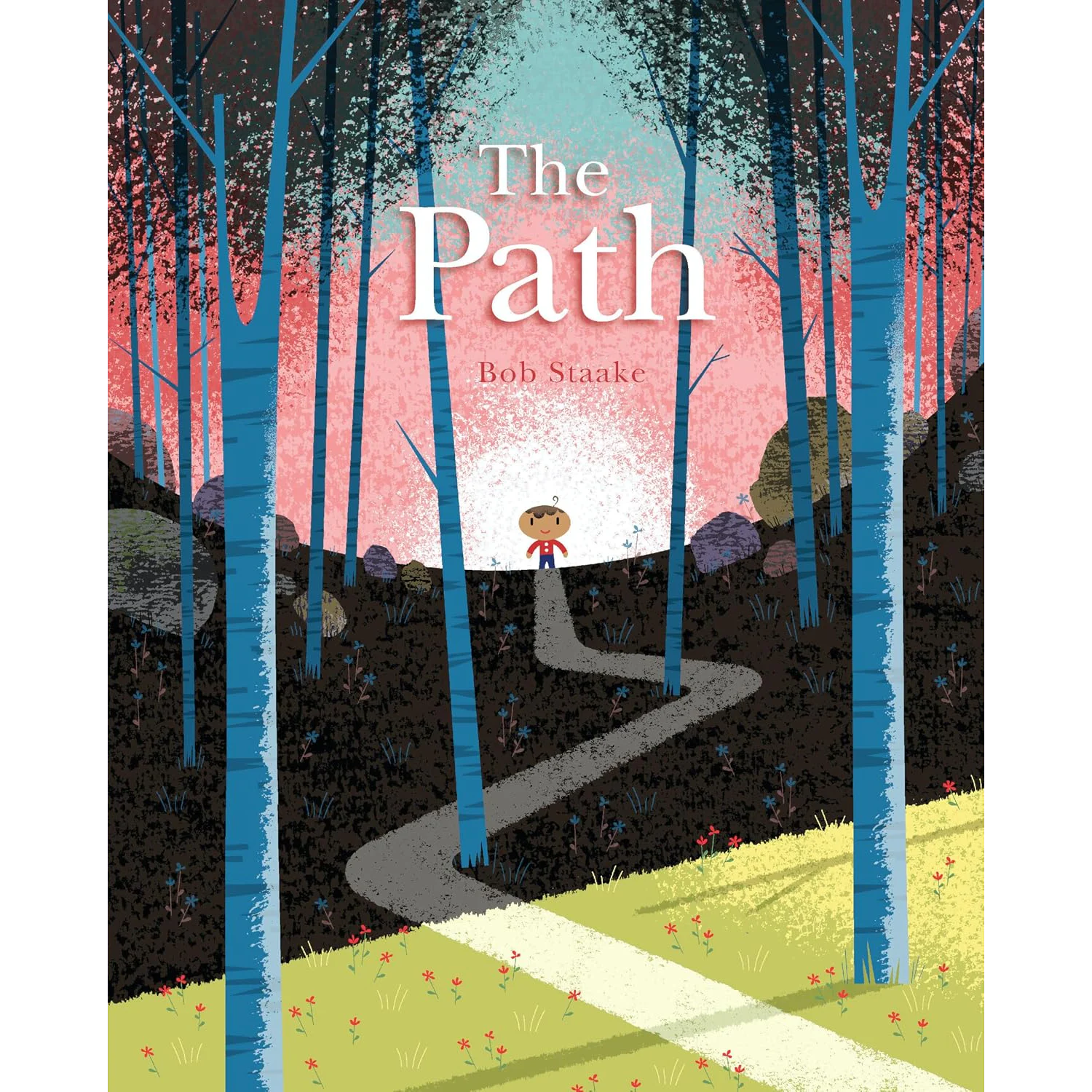
The Path
£ 8.99
Learning Outcome:
Write a set of procedural directions with a cautionary tone, in the style of the book.
The Path
by Bob Staake
- Instant digital downloads
- Complete lesson plans & resources
- Suggested adaptations to support all learners
- Mapped to UK National Curriculum
Learning OutcomesWrite a set of procedural directions with a cautionary tone, in the style of the book.
Curriculum Objectives- Continue to read and discuss an increasingly wide range of fiction, poetry, plays, non-fiction and reference books or textbooks.
- Identify and discuss themes and conventions in and across a wide range of writing.
- Use modal verbs or adverbs to indicate degrees of possibility.
- Note and develop initial ideas, drawing on reading and research where necessary.
- Use a wide range of devices to build cohesion within and across paragraphs.
- Propose changes to vocabulary, grammar and punctuation to enhance effects and clarify meaning.
- Draft and write by selecting appropriate grammar and vocabulary, understanding how such choices can change and enhance meaning.
- Evaluate and edit by assessing the effectiveness of their own and others’ writing.
- Proof-read for spelling and punctuation errors.
£8.99
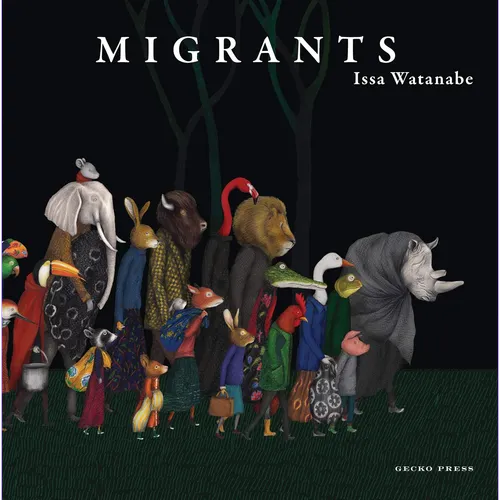
Migrants
£ 8.99
Learning Outcome:
Write the narrative to accompany the wordless picture book, embedding dialogue.
Migrants
by Issa Watanabe
- Instant digital downloads
- Complete lesson plans & resources
- Suggested adaptations to support all learners
- Mapped to UK National Curriculum
Learning OutcomesWrite the narrative to accompany the wordless picture book, embedding dialogue.
Curriculum Objectives- Identify and discuss themes and conventions in and across a wide range of writing.
- Check that the book makes sense to them, discuss their understanding and explore the meaning of words in context.
- Participate in discussions, presentations, performances, role play, improvisations and debates.
- Draw inferences such as inferring characters’ feelings, thoughts and motives from their actions, and justify inferences with evidence.
- Select appropriate grammar and vocabulary, understanding how such choices can change and enhance meaning.
- In narratives, describe settings, characters and atmosphere and integrate dialogue to convey character and advance the action.
- Plan their writing by identifying the audience for and purpose of the writing, selecting the appropriate form and using other similar writing as models for their own.
- To perform their own compositions, using appropriate intonation, volume, and movement so that meaning is clear.
£8.99
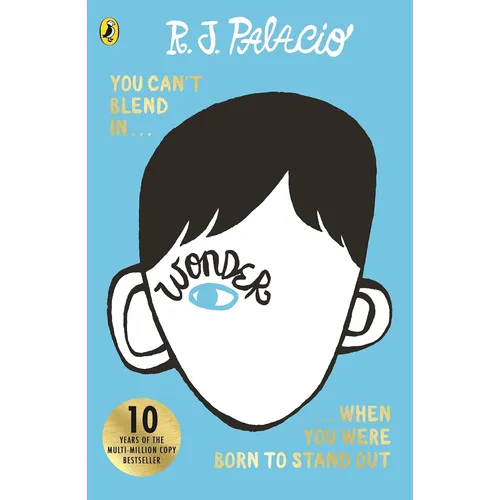
Wonder
£ 8.99
Learning Outcome:
Write an argument discussing the advantages and disadvantages of home education for August.
Write a recount of August’s first week at school in the form of a diary entry.
Wonder
by R.J. Palacio
- Instant digital downloads
- Complete lesson plans & resources
- Suggested adaptations to support all learners
- Mapped to UK National Curriculum
Learning OutcomesWrite an argument discussing the advantages and disadvantages of home education for August.
Write a recount of August’s first week at school in the form of a diary entry.
Curriculum Objectives- Identify and discuss themes and conventions in and across a wide range of writing.
- Provide reasoned justifications for their views.
- Consider and evaluate different viewpoints, attending to and building on the contributions of others.
- Draft and write by selecting appropriate grammar and vocabulary, understanding how such choices can change and enhance meaning.
- Use a wide range of devices to build cohesion within and across paragraphs.
- Draw inferences such as inferring characters’ feelings, thoughts and motives from their actions, and justifying inferences with evidence.
- Plan their writing by identifying the audience for and purpose of the writing, selecting the appropriate form and using other similar writing as models for their own.
- Propose changes to vocabulary, grammar and punctuation to enhance effects and clarify meaning.
£8.99
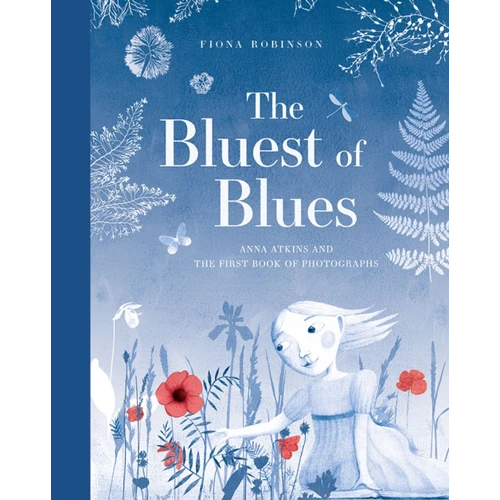
The Bluest of Blues
£ 8.99
Learning Outcome:
Write the biography of Anna Atkins in an informative scrapbook style double-page spread.
The Bluest of Blues
by Fiona Robinson
- Instant digital downloads
- Complete lesson plans & resources
- Suggested adaptations to support all learners
- Mapped to UK National Curriculum
Learning OutcomesWrite the biography of Anna Atkins in an informative scrapbook style double-page spread.
Curriculum Objectives- Continue to read and discuss an increasingly wide range of fiction, poetry, plays, non-fiction and reference books or textbooks.
- Increase their familiarity with a wide range of books, including myths, legends and traditional stories, modern fiction, fiction from our literary heritage, and books from other cultures and traditions.
- Understand what they read by checking that the book makes sense to them, discussing their understanding and exploring the meaning of words in context.
- Use knowledge of morphology and etymology in spelling and understand that the spelling of some words needs to be learnt specifically, as listed in English Appendix 1.
- Use further organisational and presentational devices to structure text and to guide the reader [for example, headings, bullet points, underlining].
- Plan their writing by identifying the audience for and purpose of the writing, selecting the appropriate form and using other similar writing as models for their own.
£8.99
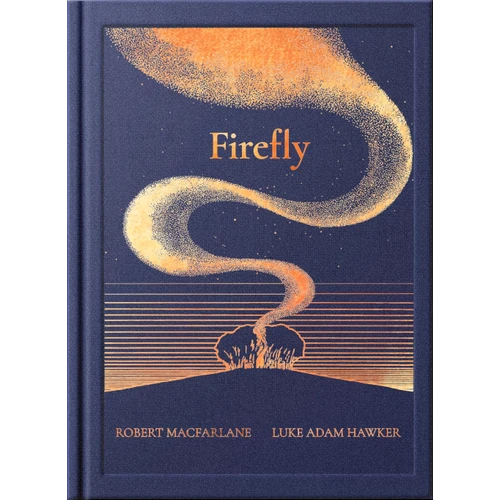
Firefly
£ 8.99
Learning Outcome:
Write a poem, applying a given structure, that reflects the themes of light and dark.
Firefly
by Robert Macfarlane and Luke Adam Hawker
- Instant digital downloads
- Complete lesson plans & resources
- Suggested adaptations to support all learners
- Mapped to UK National Curriculum
Learning OutcomesWrite a poem, applying a given structure, that reflects the themes of light and dark.
Curriculum Objectives- Prepare poems and plays to read aloud and to perform, showing understanding through intonation, tone and volume so that the meaning is clear to an audience.
- Identify how language, structure and presentation contribute to meaning.
- Understand what they read by checking that the book makes sense to them, discussing their understanding and exploring the meaning of words in context.
- Discuss and evaluate how authors use language, including figurative language, considering the impact on the reader.
- Identify and discuss themes and conventions in and across a wide range of writing.
- Plan their writing by identifying the audience for and purpose of the writing, selecting the appropriate form and using other similar writing as models for their own.
- Select appropriate grammar and vocabulary, understanding how such choices can change and enhance meaning.
- Write legibly, fluently and with increasing speed
- To perform their own compositions, using appropriate intonation, volume, and movement so that meaning is clear.
£8.99

Hansel and Gretel
£ 8.99
Learning Outcome:
Write a Rashomon conveying multiple perspectives, with contradicting biases, to recount what happened to Hansel and Gretel.
Hansel and Gretel
by Stephen King and Maurice Sendak
- Instant digital downloads
- Complete lesson plans & resources
- Suggested adaptations to support all learners
- Mapped to UK National Curriculum
Learning OutcomesWrite a Rashomon conveying multiple perspectives, with contradicting biases, to recount what happened to Hansel and Gretel.
Curriculum Objectives- Summarise the main ideas drawn from more than one paragraph, identifying key details that support the main ideas.
- Draw inferences such as inferring characters’ feelings, thoughts and motives from their actions, and justifying inferences with evidence.
- Consider and evaluate different viewpoints, attending to and building on the contributions of others.
- Participate in discussions, presentations, performances, role play, improvisations and debates.
- In writing narratives, consider how authors have developed characters and settings in what pupils have read, listened to or seen performed.
- Use relevant strategies to build their vocabulary.
- In narratives, describing settings, characters and atmosphere and integrating dialogue to convey character and advance the action.
£8.99
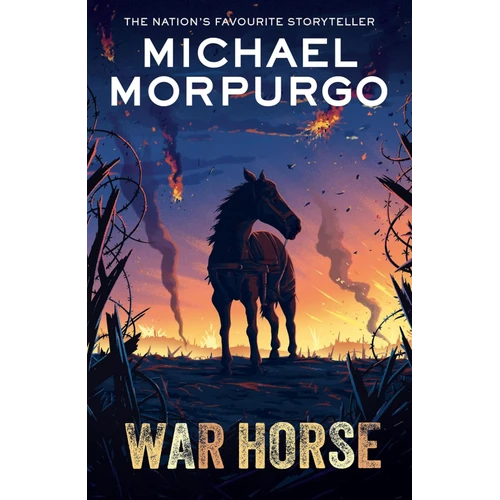
War Horse
£ 8.99
Learning Outcome:
Write a graphic narrative recount of the horses’ experiences on the battlefield, through the eyes of Joey or Topthorn.
War Horse
by Michael Morpurgo
- Instant digital downloads
- Complete lesson plans & resources
- Suggested adaptations to support all learners
- Mapped to UK National Curriculum
Learning OutcomesWrite a graphic narrative recount of the horses’ experiences on the battlefield, through the eyes of Joey or Topthorn.
Curriculum Objectives- Understand what they read by checking that the book makes sense to them, discussing their understanding and exploring the meaning of words in context.
- Discuss and evaluate how authors use language, including figurative language, considering the impact on the reader.
- Identify how language, structure and presentation contribute to meaning.
- Select appropriate grammar and vocabulary, understanding how such choices can change and enhance meaning.
- Recognise vocabulary and structures that are appropriate for formal speech and writing, including subjunctive forms.
- In narratives, describing settings, characters and atmosphere and integrating dialogue to convey character and advance the action.
- Evaluate and edit by assessing the effectiveness of their own and others’ writing.
- Write legibly, fluently and with increasing speed.
£8.99
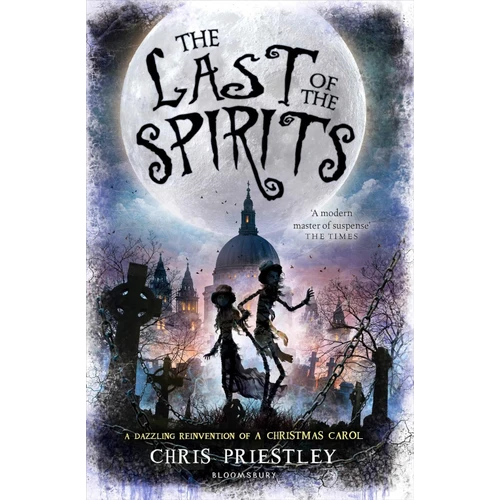
The Last of the Spirits
£ 8.99
Learning Outcome:
Write a description of the character of Ebenezer Scrooge.
The Last of the Spirits
by Chris Priestley
- Instant digital downloads
- Complete lesson plans & resources
- Suggested adaptations to support all learners
- Mapped to UK National Curriculum
Learning OutcomesWrite a description of the character of Ebenezer Scrooge.
Curriculum Objectives- Draw inferences such as inferring characters’ feelings, thoughts and motives from their actions, and justifying inferences with evidence.
- Identify how language, structure and presentation contribute to meaning.
- Discuss and evaluate how authors use language, including figurative language, considering the impact on the reader.
- Make comparisons within and across books.
- Plan their writing by identifying the audience for and purpose of the writing, selecting the appropriate form and using other similar writing as models for their own.
- In writing narratives, consider how authors have developed characters and settings in what pupils have read, listened to or seen performed.
- Draft and write by selecting appropriate grammar and vocabulary, understanding how such choices can change and enhance meaning.
- In narratives, describing settings, characters and atmosphere and integrating dialogue to convey character and advance the action.
- Use expanded noun phrases to convey complicated information concisely.
- Use relative clauses beginning with who, which, where, when, whose, that or with an implied (i.e. omitted) relative pronoun.
- Assess the effectiveness of their own and others’ writing.
£8.99

The Ways of the Wolf
£ 8.99
Learning Outcome:
Write an informative and detailed non-chronological report about a wolf, dispelling the myths once and for all.
The Ways of the Wolf
by Prasadam-Halls , Smriti, et al.
- Instant digital downloads
- Complete lesson plans & resources
- Suggested adaptations to support all learners
- Mapped to UK National Curriculum
Learning OutcomesWrite an informative and detailed non-chronological report about a wolf, dispelling the myths once and for all.
Curriculum Objectives- Provide reasoned justifications for their views.
- Make comparisons within and across books.
- Check that the book makes sense to them, discussing their understanding and exploring the meaning of words in context.
- Retrieve, record and present information from non-fiction.
- To build cohesion within a paragraph.
- Use semi-colons, colons or dashes to mark boundaries between independent clauses.
- Use a colon to introduce a list.
- Use hyphens to avoid ambiguity.
- Use further organisational and presentational devices to structure text and to guide the reader [for example, headings, bullet points, underlining.]
- Identify the audience for and purpose of the writing, selecting the appropriate form and using other similar writing as models for their own.
- To plan writing by noting and developing initial ideas, drawing on reading and research where necessary.
- Propose changes to vocabulary, grammar and punctuation to enhance effects and clarify meaning.
£8.99
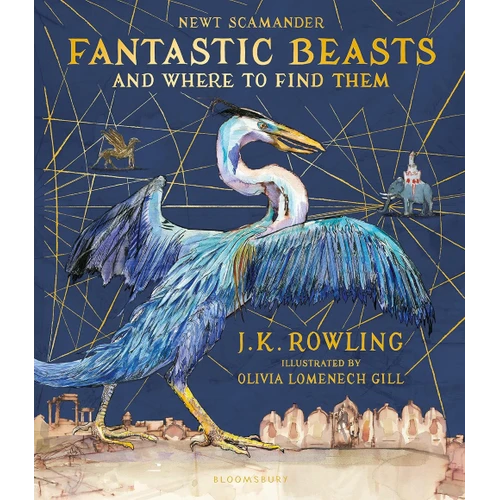
Fantastic Beasts and Where to Find them: Illustrated Edition
£ 8.99
Learning Outcome:
In role as a member of The Ministry of Magic, write an informative double page spread about a newly sighted fantastic beast, contributing to a class compendium of magical creatures.
Fantastic Beasts and Where to Find them: Illustrated Edition
by J.K. Rowling
- Instant digital downloads
- Complete lesson plans & resources
- Suggested adaptations to support all learners
- Mapped to UK National Curriculum
Learning OutcomesIn role as a member of The Ministry of Magic, write an informative double page spread about a newly sighted fantastic beast, contributing to a class compendium of magical creatures.
Curriculum Objectives- Retrieve, record and present information from non-fiction.
- Use a wide range of devices to build cohesion within and across paragraphs.
- Use knowledge of morphology and etymology in spelling and understand that the spelling of some words needs to be learnt specifically, as listed in English Appendix 1.
- Use expanded noun phrases to convey complicated information concisely.
- Use modal verbs or adverbs to indicate degrees of possibility.
- Plan their writing by identifying the audience for and purpose of the writing, selecting the appropriate form and using other similar writing as models for their own.
- Draft and write by selecting appropriate grammar and vocabulary, understanding how such choices can change and enhance meaning.
- Proof-read for spelling and punctuation errors.
- Write legibly, fluently and with increasing speed.
£8.99
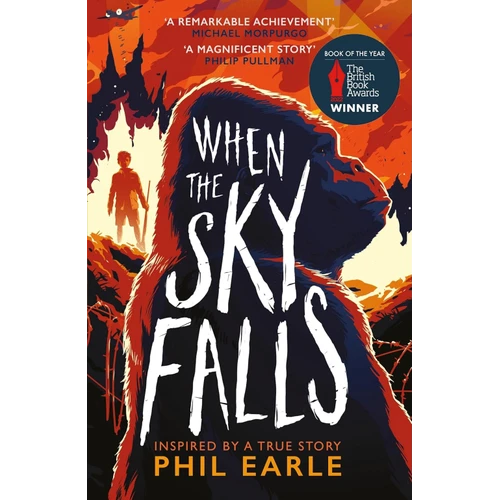
When the Sky Falls
£ 8.99
Learning Outcome:
Write an atmospheric setting description conveying the devastation and destruction of the air raids in London during The Blitz.
When the Sky Falls
by Phil Earle
- Instant digital downloads
- Complete lesson plans & resources
- Suggested adaptations to support all learners
- Mapped to UK National Curriculum
Learning OutcomesWrite an atmospheric setting description conveying the devastation and destruction of the air raids in London during The Blitz.
Curriculum Objectives- Discuss and evaluate how authors use language, including figurative language, considering the impact on the reader.
- Plan their writing by identifying the audience for and purpose of the writing, selecting the appropriate form and using other similar writing as models for their own.
- Draft and write by selecting appropriate grammar and vocabulary, understanding how such choices can change and enhance meaning.
- Use further organisational and presentational devices to structure text and to guide the reader.
- In narratives, describing settings, characters and atmosphere and integrating dialogue to convey character and advance the action.
- Evaluate and edit by assessing the effectiveness of their own and others’ writing.
- Write legibly, fluently and with increasing speed.
£8.99
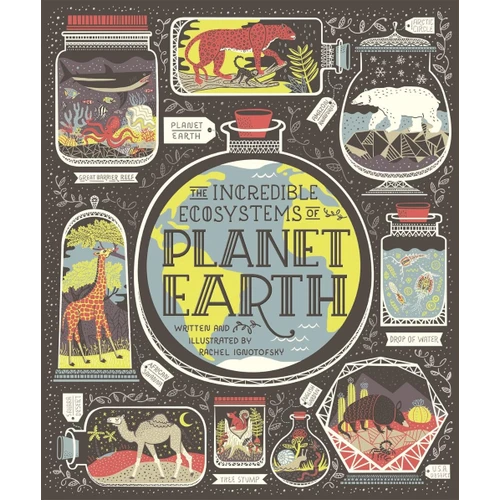
The Incredible Ecosystems of Planet Earth
£ 8.99
Learning Outcome:
Write about the ecosystem of a newly discovered planet, Pandora. Create a double-page spread of information in the style of the book.
The Incredible Ecosystems of Planet Earth
by Rachel Ignotofsky
- Instant digital downloads
- Complete lesson plans & resources
- Suggested adaptations to support all learners
- Mapped to UK National Curriculum
Learning OutcomesWrite about the ecosystem of a newly discovered planet, Pandora. Create a double-page spread of information in the style of the book.
Curriculum Objectives- Ask questions to improve their understanding.
- Retrieve, record and present information from non-fiction.
- Use knowledge of morphology and etymology in spelling and understand that the spelling of some words needs to be learnt specifically, as listed in English Appendix 1.
- To draft and write by using a wide range of devices to build cohesion within and across paragraphs.
- Plan their writing by identifying the audience for and purpose of the writing, selecting the appropriate form and using other similar writing as models for their own.
- Use further organisational and presentational devices to structure text and to guide the reader.
- Proof-read for spelling and punctuation errors.
- Write legibly, fluently and with increasing speed.
£8.99
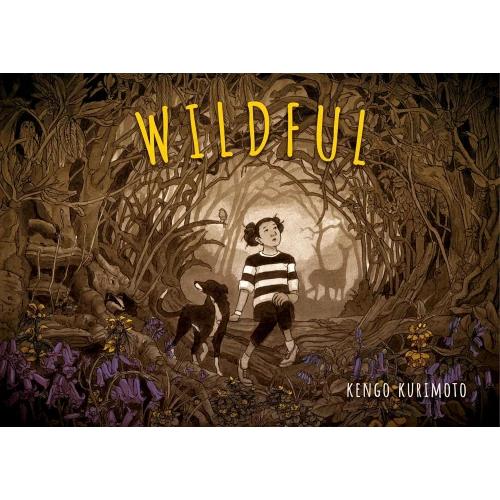
Wildful
£ 8.99
Learning Outcome:
Write the first chapter of the story, embedding dialogue and exploring perspective.
Wildful
by Kengo Kurimoto
- Instant digital downloads
- Complete lesson plans & resources
- Suggested adaptations to support all learners
- Mapped to UK National Curriculum
Learning OutcomesWrite the first chapter of the story, embedding dialogue and exploring perspective.
Curriculum Objectives- Check that the book makes sense to them, discussing their understanding and exploring the meaning of words in context.
- Ask questions to improve their understanding.
- Give well-structured descriptions, explanations and narratives for different purposes, including for expressing feelings.
- Select appropriate grammar and vocabulary, understanding how such choices can change and enhance meaning.
- In narratives, describing settings, characters and atmosphere and integrating dialogue to convey character and advance the action.
- Identify the audience for and purpose of the writing, selecting the appropriate form and using other similar writing as models for their own.
- Propose changes to vocabulary, grammar and punctuation to enhance effects and clarify meaning.
- Write legibly, fluently and with increasing speed.
£8.99
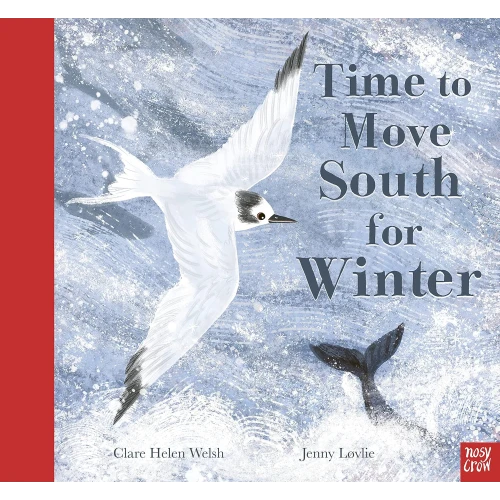
Time to Move South for Winter
£ 8.99
Learning Outcome:
Write a procedural set of directions, striking an advisory tone.
Time to Move South for Winter
by Clare Helen Welsh
- Instant digital downloads
- Complete lesson plans & resources
- Suggested adaptations to support all learners
- Mapped to UK National Curriculum
Learning OutcomesWrite a procedural set of directions, striking an advisory tone.
Curriculum Objectives- Retrieve, record and present information from non-fiction.
- Identify how language, structure and presentation contribute to meaning.
- Discuss and evaluate how authors use language, including figurative language, considering the impact on the reader.
- Select appropriate grammar and vocabulary, understanding how such choices can change and enhance meaning.
- Identify the audience for and purpose of the writing, selecting the appropriate form and using other similar writing as models for their own.
- Proof-read for spelling and punctuation errors.
- Evaluate and edit by assessing the effectiveness of their own and others’ writing
- Evaluate and edit by proposing changes to vocabulary, grammar and punctuation to enhance effects and clarify meaning.
- Write legibly, fluently and with increasing speed.
£8.99

The Great Bear
£ 8.99
Learning Outcome:
Write a convincing argument.
Write the narrative to accompany the final pages in the book.
The Great Bear
by Libby Gleeson and Armin Greder
- Instant digital downloads
- Complete lesson plans & resources
- Suggested adaptations to support all learners
- Mapped to UK National Curriculum
Learning OutcomesWrite a convincing argument.
Write the narrative to accompany the final pages in the book.
Curriculum Objectives- Articulate and justify answers, arguments and opinions.
- Check that the book makes sense to them, discuss their understanding and explore the meaning of words in context.
- Identify and discuss themes and conventions in and across a wide range of writing.
- Draw inferences such as inferring characters’ feelings, thoughts and motives from their actions, and justify inferences with evidence.
- To participate in discussions about books that are read to them and those they can read for themselves, building on their own and others’ ideas and challenging views courteously.
- Provide reasoned justifications for their views.
- Consider and evaluate different viewpoints, attend to and build on the contributions of others.
- Use a wide range of devices to build cohesion within and across paragraphs.
- Draft and write by selecting appropriate grammar and vocabulary, understand how such choices can change and enhance meaning.
- In narratives, describe settings, characters and atmosphere and integrate dialogue to convey character and advance the action.
£8.99

Way Home
£ 8.99
Learning Outcome:
Describe the cityscape and rewrite sections of the narrative through the eyes of the cat.
Way Home
by Gregory Rogers and Libby Hathorn
- Instant digital downloads
- Complete lesson plans & resources
- Suggested adaptations to support all learners
- Mapped to UK National Curriculum
Learning OutcomesDescribe the cityscape and rewrite sections of the narrative through the eyes of the cat.
Curriculum Objectives- Discuss and evaluate how authors use language, including figurative language, considering the impact on the reader.
- Use commas to clarify meaning or avoid ambiguity in writing.
- Draw inferences such as inferring characters’ feelings, thoughts and motives from their actions, and justifying inferences with evidence.
- Select appropriate grammar and vocabulary, understanding how such choices can change and enhance meaning.
- In narratives, describing settings, characters and atmosphere and integrating dialogue to convey character and advance the action.
- Propose changes to vocabulary, grammar and punctuation to enhance effects and clarify meaning.
- Identify the audience for and purpose of the writing, selecting the appropriate form and using other similar writing as models for their own.
- Note and develop initial ideas, drawing on reading and research where necessary.
- Ensure correct subject and verb agreement when using singular and plural, distinguishing between the language of speech and writing and choosing the appropriate register.
£8.99

High quality, curriculum-aligned English and Literacy lesson plans for UK primary schools. Crafted by teachers for teachers.
Year Groups
Navigation
Legal
© The Teaching Bookshelf | All Rights Reserved
Website Design & Support by Orange Pixel