

Coming Home
£ 8.99
Learning Outcome:
Write a short narrative to accompany the film, describing the robin’s journey home. Convey emotion and a sense of urgency.
Coming Home
by Michael Morpurgo
- Instant digital downloads
- Complete lesson plans & resources
- Suggested adaptations to support all learners
- Mapped to UK National Curriculum
 Learning Outcomes
Write a short narrative to accompany the film, describing the robin’s journey home. Convey emotion and a sense of urgency.
Curriculum Objectives- Prepare poems and play scripts to read aloud and to perform, showing understanding through intonation, tone, volume and action.
- Check that the text makes sense to them, discussing their understanding and explaining the meaning of words in context.
- Use the present perfect form of verbs in contrast to the past tense.
- Discuss writing similar to that which they are planning to write in order to understand and learn from its structure, vocabulary and grammar.
- Use conjunctions, adverbs and prepositions to express time, cause and place.
- In narratives, create settings, characters and plot.
- Evaluate and edit by assessing the effectiveness of their own and others’ writing and suggesting improvements.
£8.99
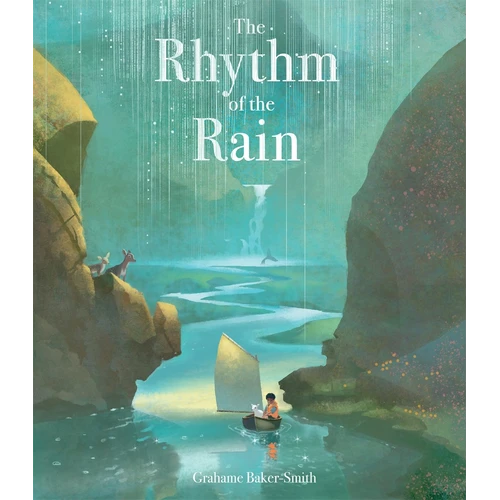
The Rhythm of the Rain
£ 8.99
Learning Outcome:
Write a narrative describing the journey of the water within the water cycle.
The Rhythm of the Rain
by Grahame Baker-Smith
- Instant digital downloads
- Complete lesson plans & resources
- Suggested adaptations to support all learners
- Mapped to UK National Curriculum
Learning OutcomesWrite a narrative describing the journey of the water within the water cycle.
Curriculum Objectives- Check that the text makes sense to them, discussing their understanding and explaining the meaning of words in context.
- Increase their familiarity with a wide range of books, including fairy stories, myths and legends, and retelling some of these orally.
- Use conjunctions, adverbs and prepositions to express time and cause.
- Compose and rehearse sentences orally (including dialogue), progressively building a varied and rich vocabulary and an increasing range of sentence structures.
- Discuss writing similar to that which they are planning to write in order to understand and learn from its structure, vocabulary and grammar.
- Assess the effectiveness of their own and others’ writing and suggesting improvements.
- In narratives, create settings, characters and plot.
£8.99
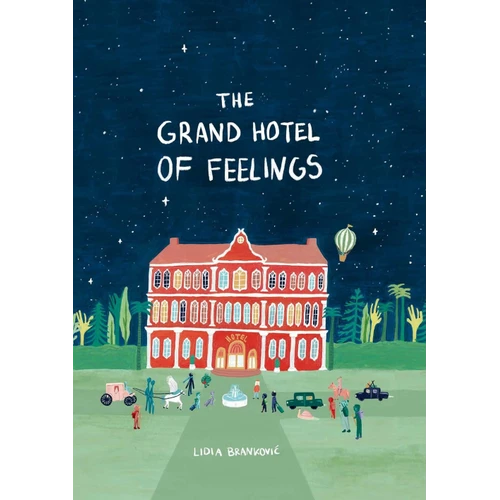
The Grand Hotel of Feelings
£ 8.99
Learning Outcome:
Write a letter to the hotel manager and a Google review in role as the emotional guests who check-in to the hotel.
The Grand Hotel of Feelings
by Lidia Brankovic
- Instant digital downloads
- Complete lesson plans & resources
- Suggested adaptations to support all learners
- Mapped to UK National Curriculum
Learning OutcomesWrite a letter to the hotel manager and a Google review in role as the emotional guests who check-in to the hotel.
Curriculum Objectives- Participate in discussions, presentations, performances, role play, improvisations and debates.
- Check that the text makes sense to them, discuss their understanding and explain the meaning of words in context.
- Compose and rehearse sentences orally (including dialogue), progressively building a varied and rich vocabulary and an increasing range of sentence structures.
- Spell words ending with the suffix – ous.
- Use further prefixes and suffixes and understand how to add them.
- In narratives, creating settings, characters and plot.
- Discuss writing similar to that which they are planning to write in order to understand and learn from its structure, vocabulary and grammar.
- Use the diagonal and horizontal strokes that are needed to join letters and understand which letters, when adjacent to one another, are best left unjoined.
£8.99
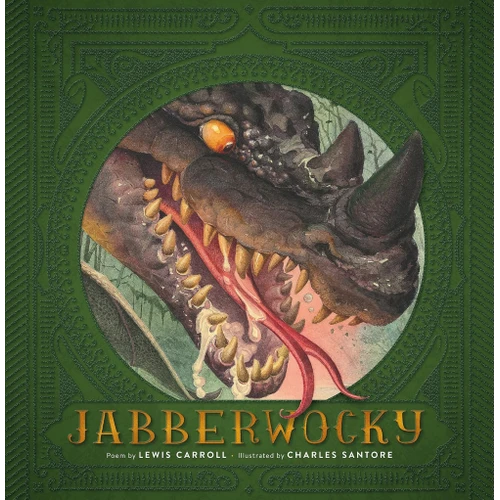
Jabberwocky
£ 8.99
Learning Outcome:
Write a character description of the Jabberwock inspired by the poem.
Jabberwocky
by Lewis Carroll
- Instant digital downloads
- Complete lesson plans & resources
- Suggested adaptations to support all learners
- Mapped to UK National Curriculum
Learning OutcomesWrite a character description of the Jabberwock inspired by the poem.
Curriculum Objectives- Listen to and discussing a wide range of fiction, poetry, plays, non-fiction and reference books or textbooks.
- Prepare poems and play scripts to read aloud and to perform, showing understanding through intonation, tone, volume and action.
- Check that the text makes sense to them, discussing their understanding and explaining the meaning of words in context.
- Identify themes and conventions in a wide range of books.
- Identify how language, structure, and presentation contribute to meaning.
- Draft and write by composing and rehearsing sentences orally (including dialogue), progressively building a varied and rich vocabulary and an increasing range of sentence structures.
- In narratives, creating settings, characters and plot.
- Propose changes to grammar and vocabulary to improve consistency, including the accurate use of pronouns in sentences.
- Proof-read for spelling and punctuation errors.
£8.99
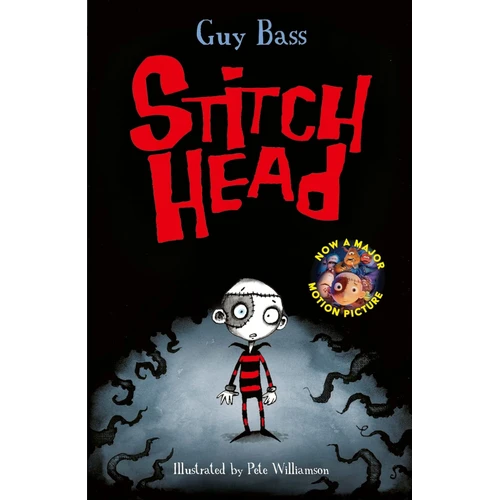
Stitch Head
£ 8.99
Learning Outcome:
Write a detailed character description of Stitch Head and the monster.
Stitch Head
by Guy Bass
- Instant digital downloads
- Complete lesson plans & resources
- Suggested adaptations to support all learners
- Mapped to UK National Curriculum
Learning OutcomesWrite a detailed character description of Stitch Head and the monster.
Curriculum Objectives- Check that the text makes sense to them, discussing their understanding and explaining the meaning of words in context.
- Draw inferences such as inferring characters’ feelings, thoughts and motives from their actions, and justifying inferences with evidence.
- Draft and write by composing and rehearsing sentences orally (including dialogue), progressively building a varied and rich vocabulary and an increasing range of sentence structures.
- Choose nouns or pronouns appropriately for clarity and cohesion and to avoid repetition.
- Extend the range of sentences with more than one clause by using a wider range of conjunctions, including when, if, because, although.
- In narratives, create settings, characters and plot.
£8.99

Ten-Word Tiny Tales
£ 8.99
Learning Outcome:
Write a Ten Word Tiny Tale.
Write a mini saga.
Write a short fiction narrative including dialogue.
Ten-Word Tiny Tales
by Joseph Coelho
- Instant digital downloads
- Complete lesson plans & resources
- Suggested adaptations to support all learners
- Mapped to UK National Curriculum
Learning OutcomesWrite a Ten Word Tiny Tale.
Write a mini saga.
Write a short fiction narrative including dialogue.
Curriculum Objectives- Understand what they read, in books they can read independently, by checking that the text makes sense to them, discussing their understanding and explaining the meaning of words in context.
- Read books that are structured in different ways and read for a range of purposes.
- Identify themes and conventions in a wide range of books.
- Plan their writing by discussing and recording ideas.
- Use and punctuate direct speech.
- In narratives, create settings, characters and plot.
- Proof-read for spelling and punctuation errors.
- Evaluate and edit by proposing changes to grammar and vocabulary to improve consistency, including the accurate use of pronouns in sentences.
£8.99
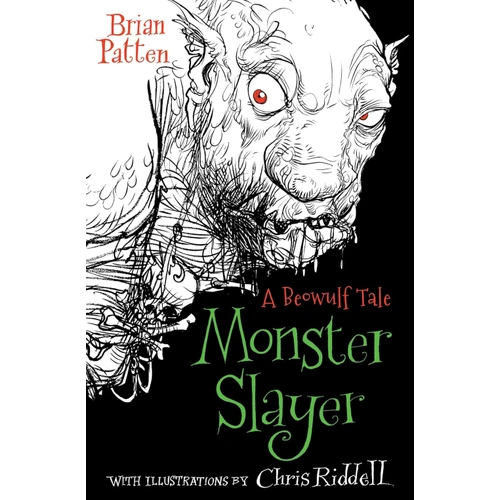
Monster Slayer
£ 8.99
Learning Outcome:
Write a character description of Grendel through the eyes of Beowulf.
Monster Slayer
by Brian Patten
- Instant digital downloads
- Complete lesson plans & resources
- Suggested adaptations to support all learners
- Mapped to UK National Curriculum
Learning OutcomesWrite a character description of Grendel through the eyes of Beowulf.
Curriculum Objectives- Discuss words and phrases that capture the reader’s interest and imagination.
- Use dictionaries to check the meaning of words that they have read.
- Discuss writing similar to that which they are planning to write in order to understand and learn from its structure, vocabulary and grammar.
- Extend the range of sentences with more than one clause by using a wider range of conjunctions, including when, if, because, although.
- Choose nouns or pronouns appropriately for clarity and cohesion and to avoid repetition.
- Indicate possession by using the possessive apostrophe with plural nouns.
- To plan their writing by discussing and recording ideas.
- In narratives, creating settings, characters and plot.
- Propose changes to grammar and vocabulary to improve consistency, including the accurate use of pronouns in sentences.
£8.99

Escape from Pompeii
£ 8.99
Learning Outcome:
Write a detailed and descriptive first-person recount of the eruption of Mount Vesuvius, through the eyes of the children in the boat.
Escape from Pompeii
by Christina Balit
- Instant digital downloads
- Complete lesson plans & resources
- Suggested adaptations to support all learners
- Mapped to UK National Curriculum
Learning OutcomesWrite a detailed and descriptive first-person recount of the eruption of Mount Vesuvius, through the eyes of the children in the boat.
Curriculum Objectives- Draw inferences such as inferring characters’ feelings, thoughts and motives from their actions, and justifying inferences with evidence.
- Check that the text makes sense to them, discussing their understanding and explaining the meaning of words in context.
- Spell words that are often misspelt.
- Discuss writing similar to that which they are planning to write in order to understand and learn from its structure, vocabulary and grammar.
- Compose and rehearse sentences orally (including dialogue), progressively building a varied and rich vocabulary and an increasing range of sentence structures.
- Use conjunctions, adverbs and prepositions to express time and cause.
- Use fronted adverbials.
- Use commas after fronted adverbials.
- Evaluate and edit by assessing the effectiveness of their own and others’ writing and suggesting improvements.
- Organise paragraphs around a theme.
- In narratives, creating settings, characters and plot.
- Increase the legibility, consistency and quality of their handwriting.
£8.99
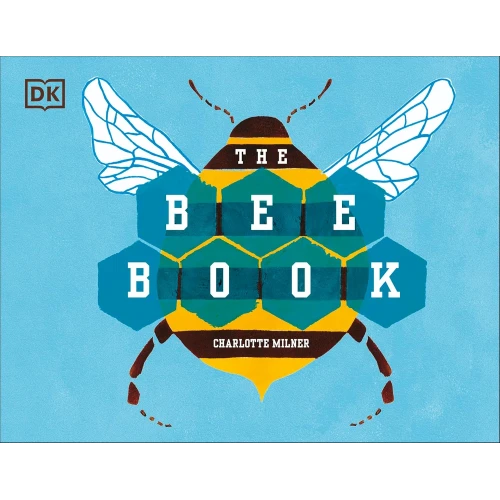
The Bee Book
£ 8.99
Learning Outcome:
Write a non-chronological report about the importance of bees.
The Bee Book
by Charlotte Milner
- Instant digital downloads
- Complete lesson plans & resources
- Suggested adaptations to support all learners
- Mapped to UK National Curriculum
Learning OutcomesWrite a non-chronological report about the importance of bees.
Curriculum Objectives- Check that the text makes sense to them, discuss their understanding and explain the meaning of words in context.
- Retrieve and record information from non-fiction.
- Extend the range of sentences with more than one clause by using a wider range of conjunctions, including when, if, because, although.
- Use conjunctions, adverbs and prepositions to express time and cause.
- Choose nouns or pronouns appropriately for clarity and cohesion and to avoid repetition.
- In non-narrative material, using simple organisational devices.
- Organise paragraphs around a theme.
- Use the diagonal and horizontal strokes that are needed to join letters and understand which letters, when adjacent to one another, are best left unjoined.
£8.99
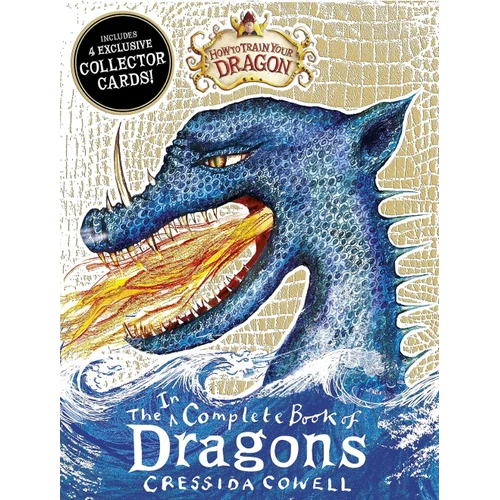
The Incomplete Book of Dragons
£ 8.99
Learning Outcome:
Write a short dragon fact file in the form of a Collectors Card.
Write an informative entry about a dragon for an addition to the encyclopaedia of dragons.
Write a descriptive narrative about a dragon.
The Incomplete Book of Dragons
by Cressida Cowell
- Instant digital downloads
- Complete lesson plans & resources
- Suggested adaptations to support all learners
- Mapped to UK National Curriculum
Learning OutcomesWrite a short dragon fact file in the form of a Collectors Card.
Write an informative entry about a dragon for an addition to the encyclopaedia of dragons.
Write a descriptive narrative about a dragon.
Curriculum Objectives- Prepare poems and play scripts to read aloud and to perform, showing understanding through intonation, tone, volume and action.
- Discuss writing similar to that which they are planning to write in order to understand and learn from its structure, vocabulary and grammar.
- Retrieve and record information from non-fiction.
- In non-narrative material, using simple organisational devices [for example, headings and sub-headings.]
- Choose nouns or pronouns appropriately for clarity and cohesion and to avoid repetition.
- Extend the range of sentences with more than one clause by using a wider range of conjunctions, including when, if, because, although.
- Compose and rehearsing sentences orally (including dialogue), progressively building a varied and rich vocabulary and an increasing range of sentence
- In narratives, creating settings, characters and plot.
£8.99
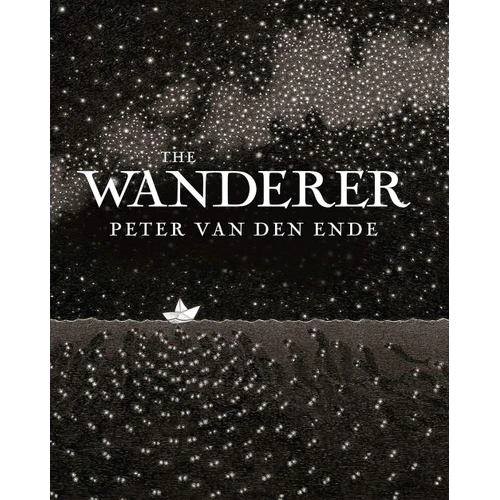
The Wanderer
£ 8.99
Learning Outcome:
Write descriptive narrative entries and the narrative journey of the paper boat to accompany the wordless picture book, embedding dialogue.
The Wanderer
by Peter van den Ende
- Instant digital downloads
- Complete lesson plans & resources
- Suggested adaptations to support all learners
- Mapped to UK National Curriculum
Learning OutcomesWrite descriptive narrative entries and the narrative journey of the paper boat to accompany the wordless picture book, embedding dialogue.
Curriculum Objectives- Give well-structured descriptions, explanations and narratives for different purposes, including for expressing feelings.
- Speak audibly and fluently with an increasing command of Standard English.
- Draft and write by composing and rehearsing sentences orally (including dialogue), progressively building a varied and rich vocabulary and an increasing range of sentence.
- Choose nouns or pronouns appropriately for clarity and cohesion and to avoid repetition.
- In narratives, create settings, characters and plot.
- Use conjunctions, adverbs and prepositions to express time and cause.
- Extend the range of sentences with more than one clause by using a wider range of conjunctions, including when, if, because, although.
- Plan their writing by discussing and recording ideas.
- Use and punctuate direct speech.
- Evaluate and edit by assessing the effectiveness of their own and others’ writing and suggesting improvements.
£8.99

The Journey
£ 8.99
Learning Outcome:
Write a diary entry in role as one of the characters in the story, conveying emotion.
The Journey
by Francesca Sanna
- Instant digital downloads
- Complete lesson plans & resources
- Suggested adaptations to support all learners
- Mapped to UK National Curriculum
Learning OutcomesWrite a diary entry in role as one of the characters in the story, conveying emotion.
Curriculum Objectives- Ask questions to improve their understanding of a text.
- Check that the text makes sense to them, discuss their understanding and explain the meaning of words in context.
- Consider and evaluate different viewpoints, attending to and building on the contributions of others.
- Articulate and justify answers, arguments and opinions.
- Compose and rehearse sentences orally (including dialogue), progressively build a varied and rich vocabulary and an increasing range of sentence structures.
- Draw inferences such as inferring characters’ feelings, thoughts and motives from their actions, and justify inferences with evidence.
- Discuss writing similar to that which they are planning to write in order to understand and learn from its structure, vocabulary and grammar.
- In narratives, creating settings, characters and plot.
- Evaluate and edit by assessing the effectiveness of their own and others’ writing and suggesting improvements.
£8.99
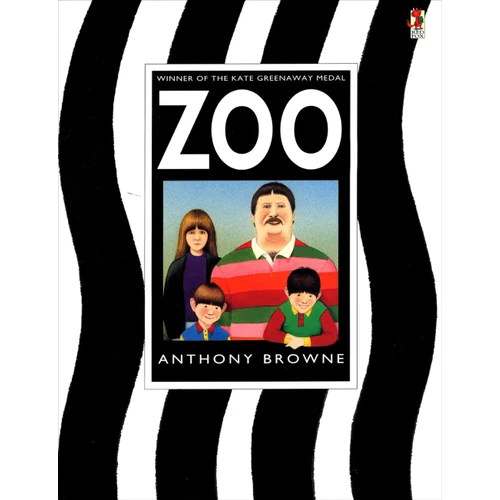
Zoo
£ 8.99
Learning Outcome:
Write a monologue in role as a captive animal conveying viewpoint.
Write arguments for and against animals being held in captivity.
Zoo
by Anthony Browne
- Instant digital downloads
- Complete lesson plans & resources
- Suggested adaptations to support all learners
- Mapped to UK National Curriculum
Learning OutcomesWrite a monologue in role as a captive animal conveying viewpoint.
Write arguments for and against animals being held in captivity.
Curriculum Objectives- Identify themes and conventions in a wide range of books.
- Draw inferences such as inferring characters’ feelings, thoughts and motives from their actions, and justifying inferences with evidence.
- Use fronted adverbials.
- Use commas after fronted adverbials.
- Use the present perfect form of verbs in contrast to the past tense.
- Draft and write by composing and rehearsing sentences orally (including dialogue), progressively building a varied and rich vocabulary and an increasing range of sentence structures.
- Articulate and justify answers, arguments and opinions.
- Maintain attention and participate actively in collaborative conversations, staying on topic and initiating and responding to comments.
- Participate in discussions, presentations, performances, role play, improvisations and debates.
- In non-narrative material, using simple organisational devices.
£8.99
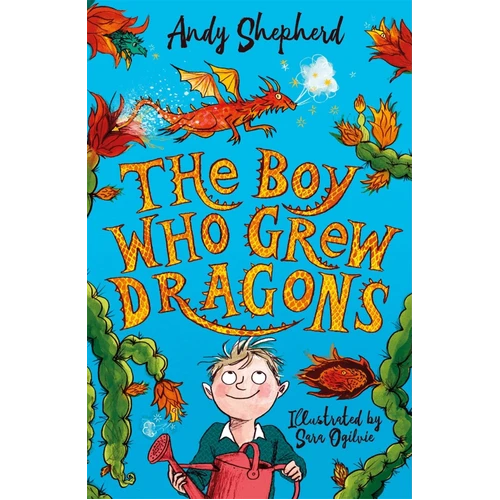
The Boy who Grew Dragons
£ 16.99
Learning Outcome:
Write a description of a dragon hatching.
Write an information page about Flicker for a contribution to an encyclopaedia of dragons.
Write a labelled, informative diagram and information about a dragon fruit plant as an entry to a book of garden plants found in grandad’s potting shed.
Write an informative guide on how to look after a dragon of their own.The Boy who Grew Dragons
by Andy Shepherd
- Instant digital downloads
- Complete lesson plans & resources
- Suggested adaptations to support all learners
- Mapped to UK National Curriculum
Learning OutcomesWrite a description of a dragon hatching.
Write an information page about Flicker for a contribution to an encyclopaedia of dragons.
Write a labelled, informative diagram and information about a dragon fruit plant as an entry to a book of garden plants found in grandad’s potting shed.
Write an informative guide on how to look after a dragon of their own. Curriculum Objectives- Check that the text makes sense to them, discuss their understanding and explain the meaning of words in context.
- Use dictionaries to check the meaning of words that they have read.
- To retrieve and record information from narrative.
- Plan their writing by discussing writing similar to that which they are planning to write in order to understand and learn from its structure, vocabulary and grammar.
- To draft and write narrative.
- To plan writing by discussing and recording ideas.
- Organise paragraphs around a theme.
- In non-narrative material, use simple organisational devices.
- Choose nouns or pronouns appropriately for clarity and cohesion and to avoid repetition.
- Use conjunctions, adverbs and prepositions to express time and cause.
- Noun phrases expanded by the addition of modifying adjectives, nouns and preposition phrases.
- Draft and write non-narrative material, using simple organisational devices in non-narrative material, using simple organisational devices.
£16.99
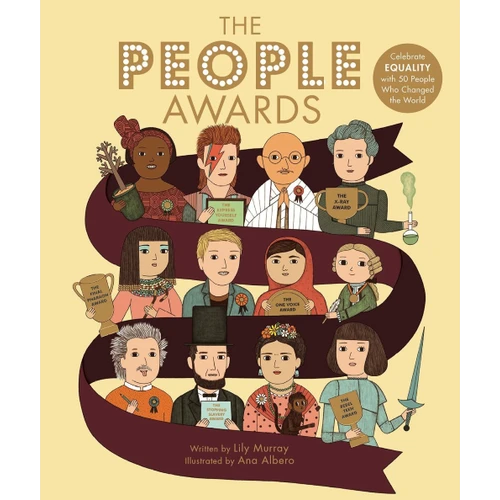
The People Awards
£ 16.99
Learning Outcome:
Write a biography in the style of the book.
The People Awards
by Lily Murray
- Instant digital downloads
- Complete lesson plans & resources
- Suggested adaptations to support all learners
- Mapped to UK National Curriculum
Learning OutcomesWrite a biography in the style of the book.
Curriculum Objectives- Participate in discussion about both books that are read to them and those they can read for themselves, taking turns and listening to what others say.
- Retrieve and record information from non-fiction.
- Check that the text makes sense to them, discussing their understanding and explaining the meaning of words in context.
- Identify how language, structure, and presentation contribute to meaning.
- indicate possession by using the possessive apostrophe with plural nouns
- Use conjunctions, adverbs and prepositions to express time and cause.
- Plan their writing by discussing writing similar to that which they are planning to write in order to understand and learn from its structure, vocabulary and grammar.
- Discuss and record ideas
- In non-narrative material, use simple organisational devices.
- Use the diagonal and horizontal strokes that are needed to join letters and understand which letters, when adjacent to one another, are best left unjoined.
£16.99
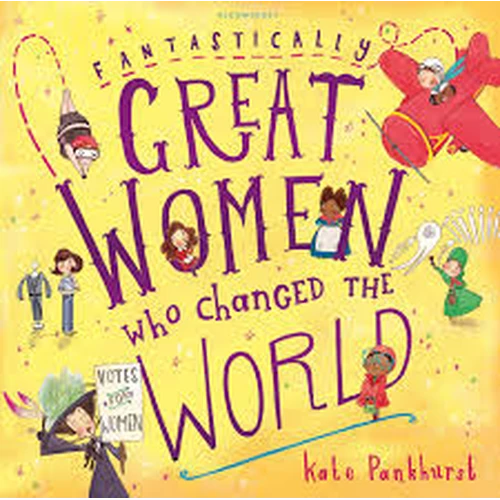
Fantastically Great Women who Changed the World
£ 8.99
Learning Outcome:
Write an additional double page spread for the book, in a scrapbook style.
Fantastically Great Women who Changed the World
by Kate Pankhurst
- Instant digital downloads
- Complete lesson plans & resources
- Suggested adaptations to support all learners
- Mapped to UK National Curriculum
Learning OutcomesWrite an additional double page spread for the book, in a scrapbook style.
Curriculum Objectives- Check that the text makes sense to them, discussing their understanding and explain the meaning of words in context.
- Identify main ideas drawn from more than one paragraph and summarise these.
- Retrieve and record information from non-fiction.
- Articulate and justify answers, arguments and opinions.
- Compose and rehearse sentences orally (including dialogue), progressively building a varied and rich vocabulary and an increasing range of sentence structures.
- In non-narrative material, use simple organisational devices [for example, headings and sub-headings]
£8.99

The Story of Tutankhamun
£ 8.99
Learning Outcome:
Write a clear and detailed set of procedural instructions on mummification, for an embalmer on the first day of the job to follow.
The Story of Tutankhamun
by Patricia Cleveland-Peck and Isabel Greenberg
- Instant digital downloads
- Complete lesson plans & resources
- Suggested adaptations to support all learners
- Mapped to UK National Curriculum
Learning OutcomesWrite a clear and detailed set of procedural instructions on mummification, for an embalmer on the first day of the job to follow.
Curriculum Objectives- Use dictionaries to check the meaning of words that they have read.
- Spell words that are often misspelt.
- Use the diagonal and horizontal strokes that are needed to join letters and understand which letters, when adjacent to one another, are best left unjoined.
- Check that the text makes sense to them, discussing their understanding and explaining the meaning of words in context.
- Use conjunctions, adverbs and prepositions to express time and cause.
- Use fronted adverbials.
- Use commas after fronted adverbials.
- Indicate possession by using the possessive apostrophe with plural nouns.
- Discuss writing similar to that which they are planning to write in order to understand and learn from its structure, vocabulary and grammar.
- Discuss and record ideas
- In non-narrative material, use simple organisational devices [for example, headings and sub-headings].
- Increase the legibility, consistency and quality of their handwriting [for example, by ensuring that the downstrokes of letters are parallel and equidistant; that lines of writing are spaced sufficiently so that the ascenders and descenders of letters do not touch].
£8.99
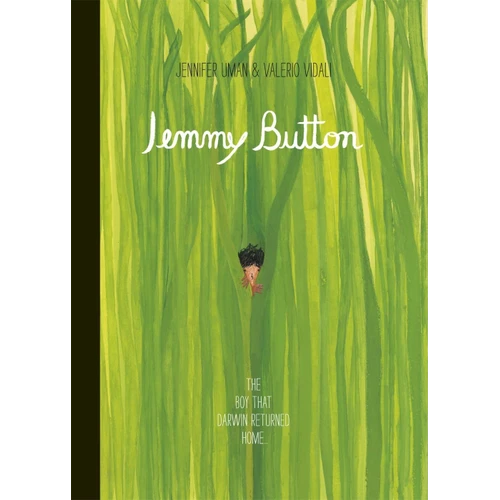
Jemmy Button
£ 8.99
Learning Outcome:
Write a letter home in role as Jemmy and write a letter to Jemmy Button, arguing against him going with the visitors to visit England.
Jemmy Button
by Valerio Vidali
- Instant digital downloads
- Complete lesson plans & resources
- Suggested adaptations to support all learners
- Mapped to UK National Curriculum
Learning OutcomesWrite a letter home in role as Jemmy and write a letter to Jemmy Button, arguing against him going with the visitors to visit England.
Curriculum Objectives- Identify themes and conventions in a wide range of books
- Extend the range of sentences with more than one clause by using a wider range of conjunctions, including when, if, because, although.
- Use the present perfect form of verbs in contrast to the past tense.
- Plan their writing by discussing writing similar to that which they are planning to write in order to understand and learn from its structure, vocabulary and grammar.
- Draft and write by composing and rehearsing sentences orally (including dialogue), progressively building a varied and rich vocabulary and an increasing range of sentence structures.
- Consider and evaluate different viewpoints, attending to and building on the contributions of others.
- Articulate and justify answers, arguments and opinions.
- Organise paragraphs around a theme.
- Propose changes to grammar and vocabulary to improve consistency, including the accurate use of pronouns in sentences.
- Proof-read for spelling and punctuation errors.
- Read aloud their own writing, to a group or the whole class, using appropriate intonation and controlling the tone and volume so that the meaning is clear.
£8.99

High quality, curriculum-aligned English and Literacy lesson plans for UK primary schools. Crafted by teachers for teachers.
Year Groups
Navigation
Legal
© The Teaching Bookshelf | All Rights Reserved
Website Design & Support by Orange Pixel